A collaborative fine-art project
If Men Had the Menopause, It’d Be Cured by Now
Photographs by Stephen Rendall, co-authored with Amy.
About the project
If Men Had the Menopause, It'd Be Cured by Now is an intimate, co-authored exploration of the physical, psychological, and social realities of female midlife transition. Moving deliberately away from the clinical detachment and voyeurism that often characterise medicalised views of the female body, this series creates an equitable, compassionate space to confront the raw realities of ageing.
The work challenges a patriarchal culture that routinely reduces middle-aged women to silence, hormonal deficit, or aesthetic decline. Instead, it traces the profound internal shift of perimenopause, acknowledging the cognitive friction of brain fog and the performative weight of everyday labour, while ultimately rejecting grief as the defining condition of this transition. It reframes bodily evolution not as a loss, but as a site of profound resilience, agency, and reclaimed visibility.

Do you see me now
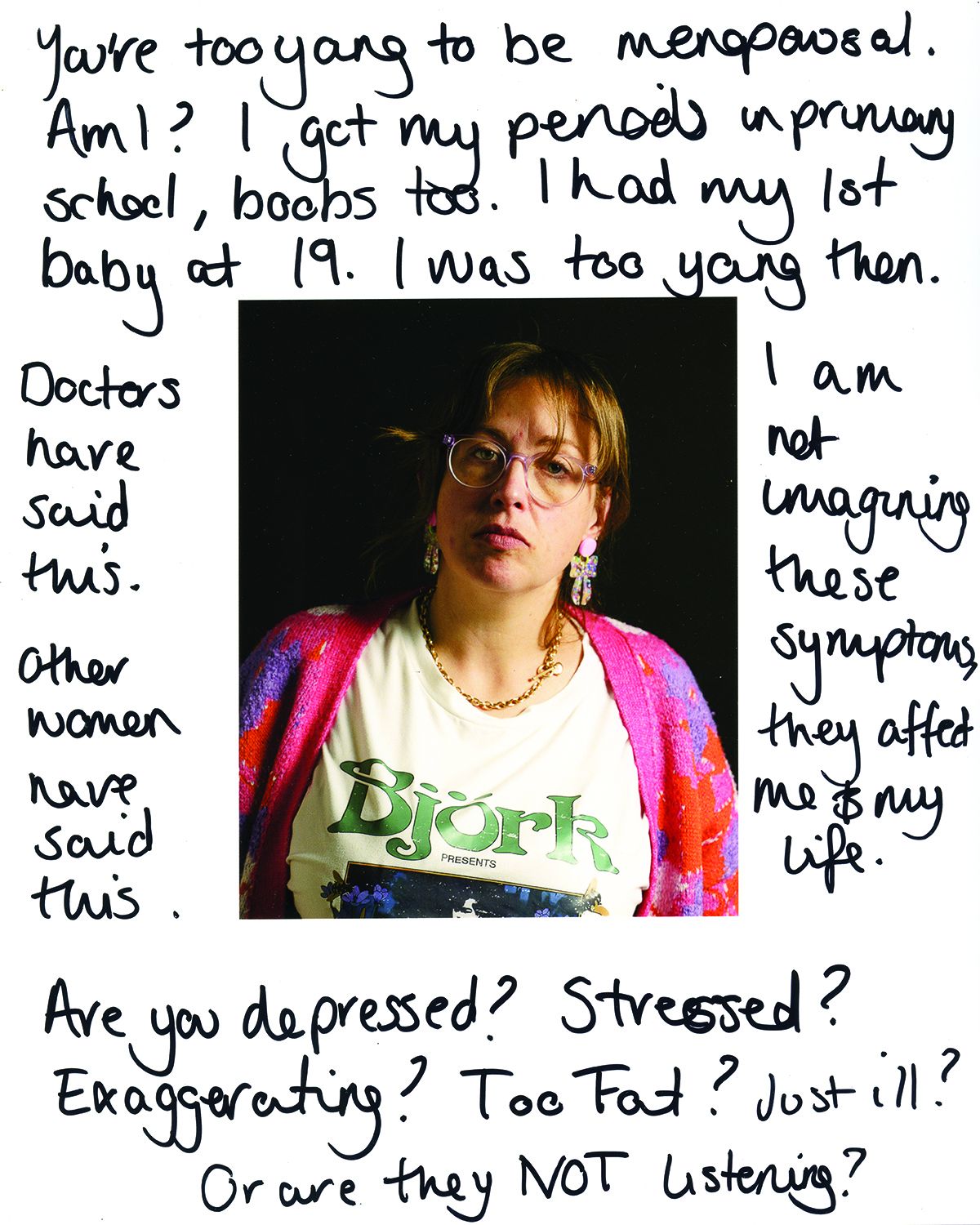
You're too young

HAZE
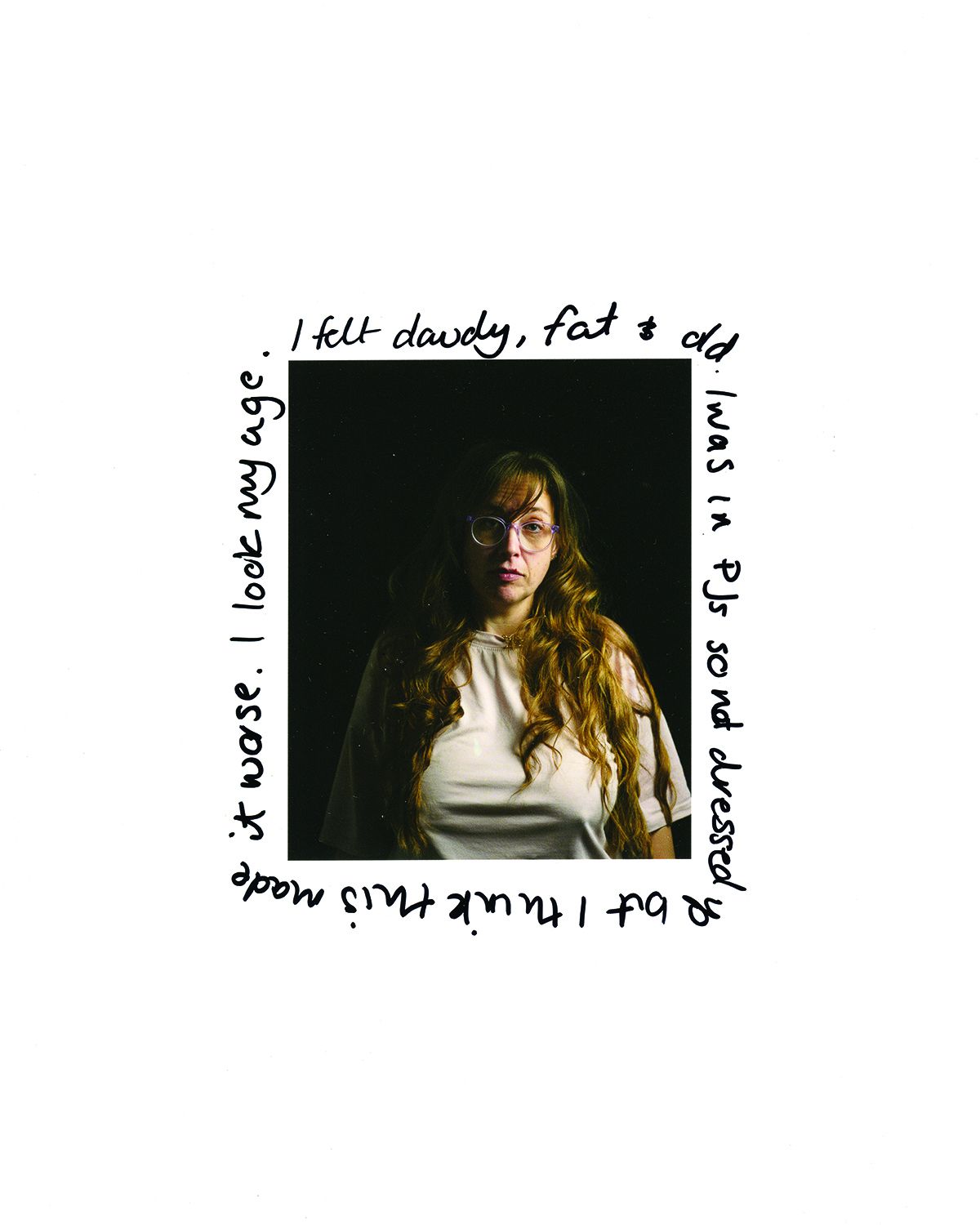
I look my age
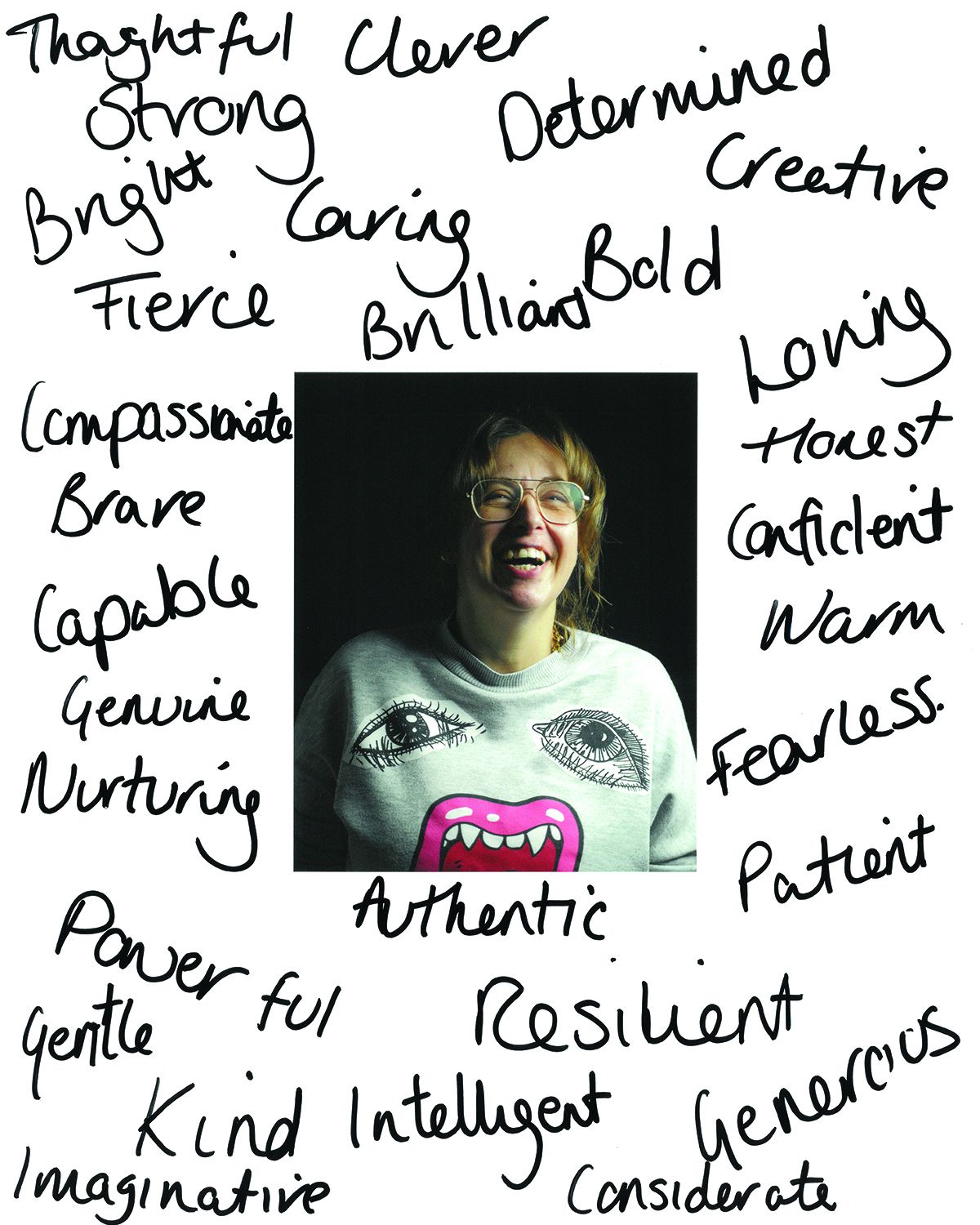
I am
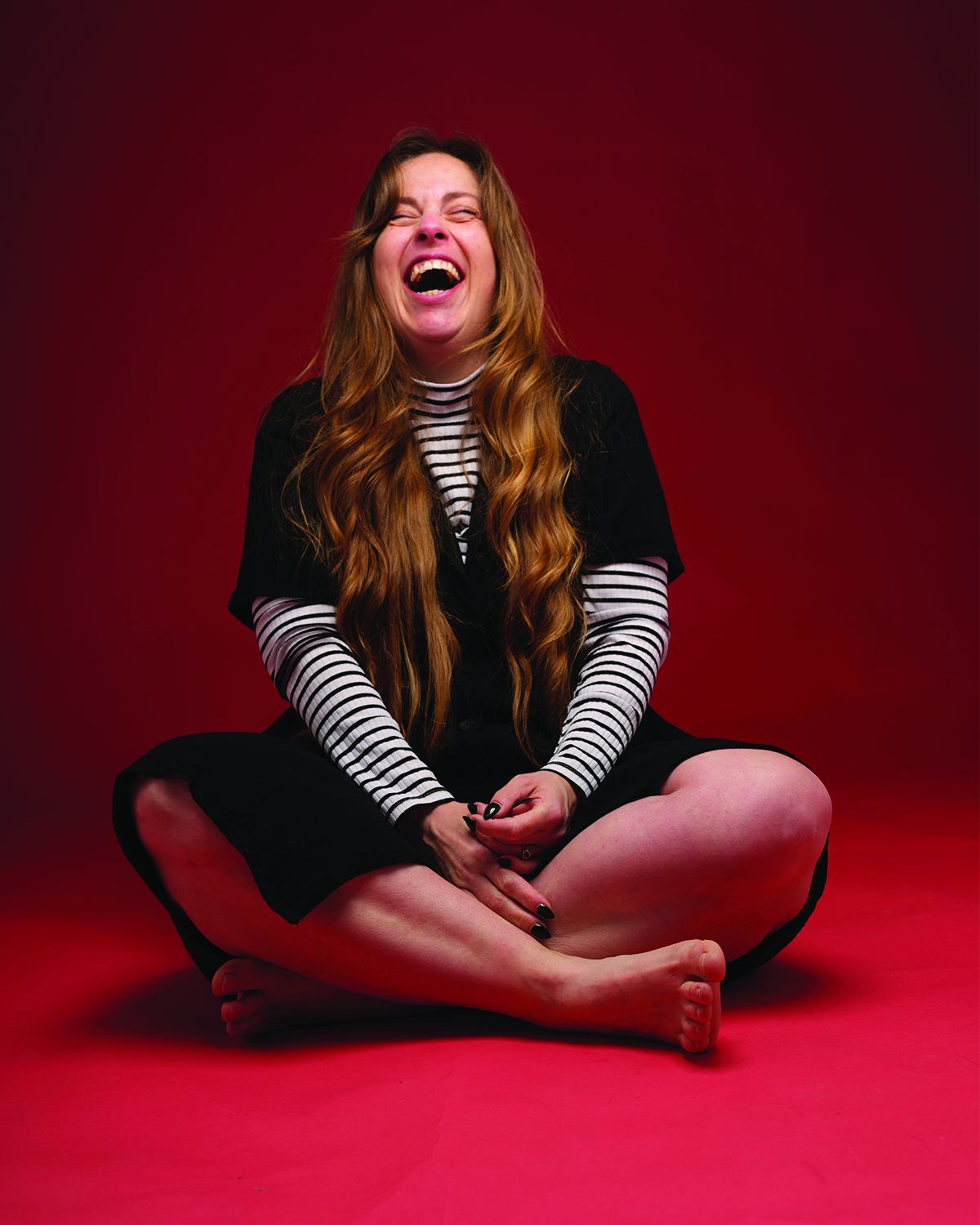
Joy
Collaborative methodology
Central to the work is the dismantling of traditional power dynamics between photographer and subject. Captured digitally and exhibited as tactile, large-format fine-art prints, the imagery serves as a foundation for a shared narrative rather than a final, fixed observation.
Through a process of physical intervention, Amy reclaims her own representation. By writing testimony directly onto the margins of the prints, she actively returns the gaze, surrounding the imagery with authentic declarations of selfhood. This reciprocal dialogue transforms the photographic act from one of passive observation into an empowering, co-authored counter-archive.